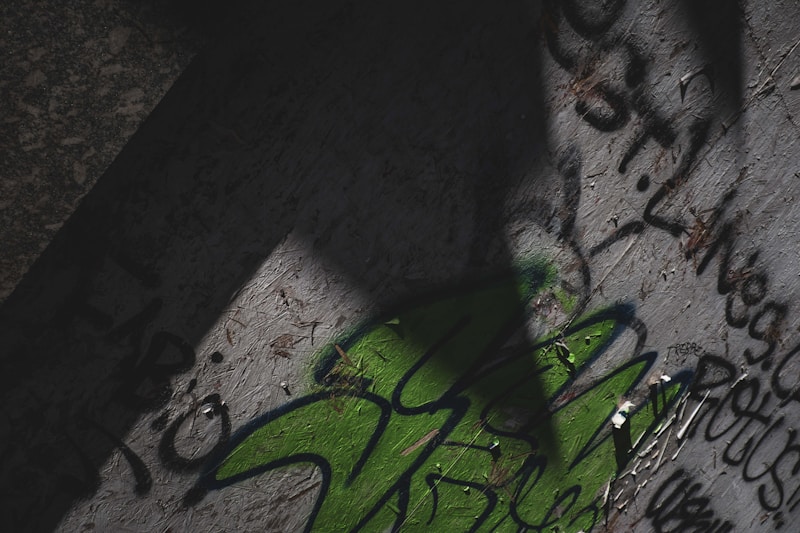
There is no single best method for removing graffiti. The right approach depends on the surface material, the type of paint, how long the graffiti has been there, and the desired finish. Here is a breakdown of the four main professional methods and when each one is appropriate.
1. Chemical Removal
Best For
Painted walls, metal, glass, smooth concrete, brick
Effectiveness
Excellent on most surfaces when matched correctly
Chemical removal uses specially formulated solvents to break down the bonds between spray paint and the surface underneath. The solvent is applied, allowed to dwell for a specific time, then wiped or rinsed away along with the dissolved paint. This is the most versatile method and the go-to choice for most professional graffiti removal companies.
Pros: Precise, surface-safe when done correctly, works on most surfaces, minimal equipment needed.
Cons: Requires expertise in chemical selection, some paints need multiple applications, dwell time needed.
2. Pressure Washing
Best For
Concrete, brick, stone, unfinished masonry
Effectiveness
Excellent on hard, durable surfaces
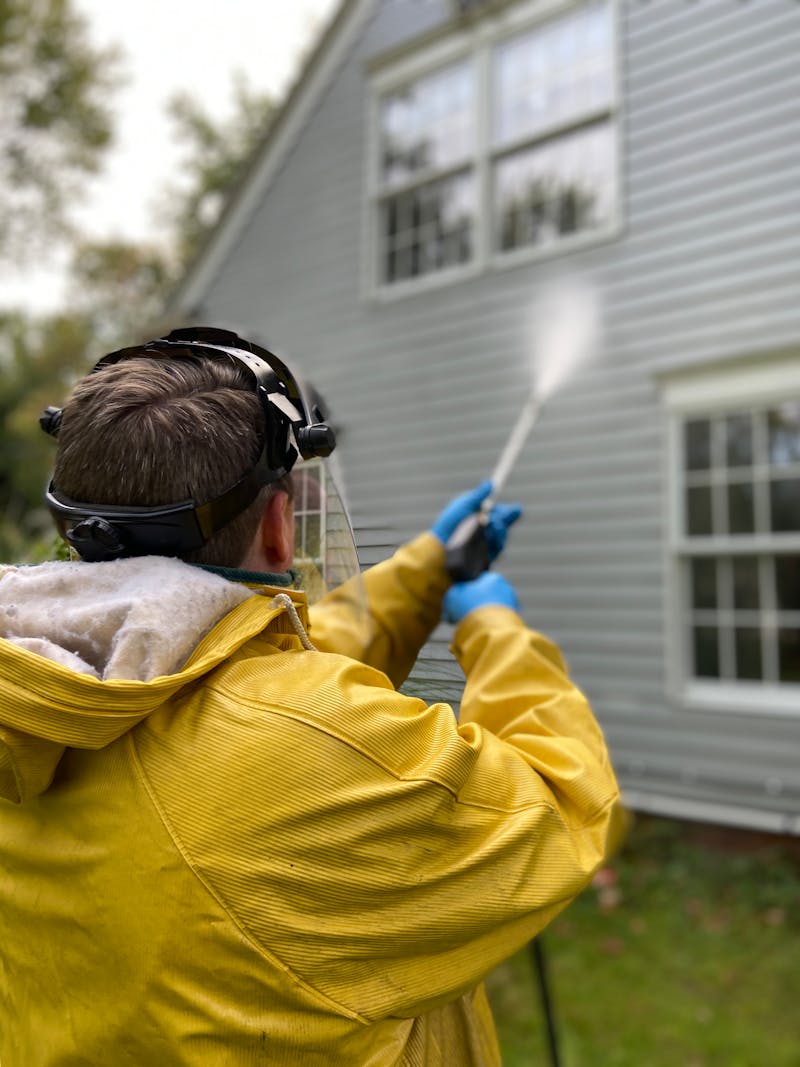
High-pressure water (typically 2,000-4,000 PSI) blasts paint off hard surfaces. This method is fast, effective, and leaves no chemical residue. It is often combined with chemical pre-treatment for stubborn graffiti.
Pros: Fast, no chemical residue, very effective on hard surfaces, cleans surrounding area too.
Cons: Can damage soft surfaces, requires water supply, high-pressure equipment is loud, not suitable for glass.
3. Abrasive Blasting
Best For
Heavily porous surfaces, deep-set graffiti, natural stone
Effectiveness
Very effective but aggressive — last resort for many surfaces
Abrasive blasting propels fine media (baking soda, crushed glass, or walnut shell) at the surface to physically remove paint. “Soda blasting” is the gentlest form and is safe for many surfaces.
Pros: Removes deeply absorbed paint, works on stubborn surfaces, soda blasting is gentle enough for heritage materials.
Cons: More expensive, creates dust and debris, requires containment, can alter surface texture if too aggressive.
4. Paint-Over (Color Matching)
Best For
Already-painted walls, fences, utility surfaces
Effectiveness
100% coverage but does not truly “remove” the graffiti
When removal is not practical, color-matching and painting over is the most cost-effective solution. A professional service will match the existing wall color precisely, prime the graffiti area, and repaint for a seamless finish.
Pros: Fast, cost-effective, guaranteed coverage, can improve overall wall appearance.
Cons: Does not truly remove the paint, may not match perfectly on aged surfaces, repeat applications build up layers.
Which Method Is Right for Your Building?
The short answer: it depends. A professional graffiti removal company will assess your specific situation and recommend the safest, most effective approach.
Prevention Is Always Cheaper Than Removal
Regardless of the removal method used, prevention is always more cost-effective. Consider anti-graffiti coatings for surfaces that have been targeted before.